



By using our website, you agree to the use of cookies as described in our Cookie Policy
Fishing charter service near Largo has evolved beyond simple boat rentals into a sophisticated gateway for discovering Tampa Bay's most productive waters. Anglers who've spent years navigating these coastal ecosystems understand that success isn't just about showing up with a rod—it's about reading tides, understanding seasonal patterns, and knowing exactly where fish congregate when conditions shift. The difference between a forgettable outing and a trip that creates lasting memories often comes down to local expertise and the ability to adapt strategies in real time. We've watched countless visitors arrive with high expectations only to struggle because they lacked the insider knowledge that transforms good intentions into actual catches.
Book Your Largo Fishing Charter Today!
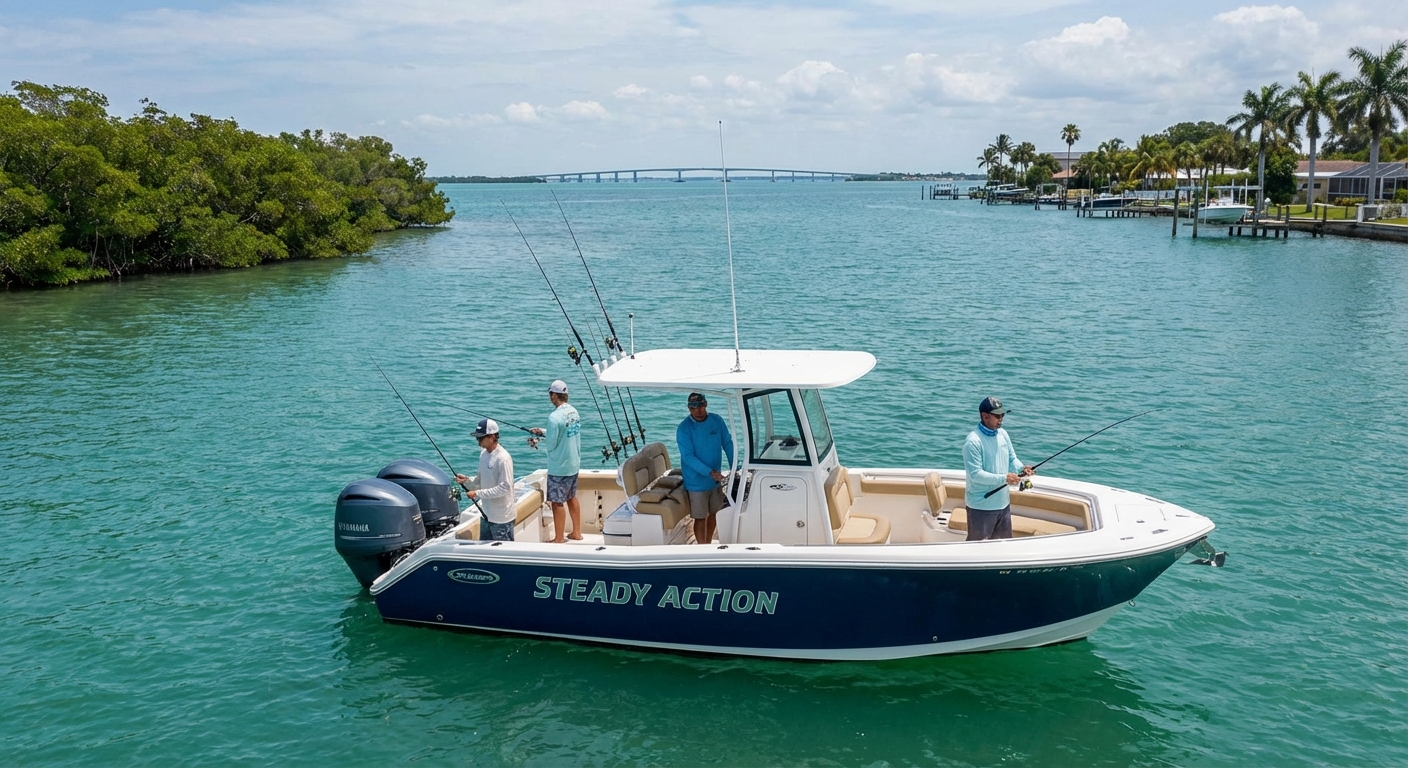
What makes Largo fishing charters particularly valuable is the access they provide to diverse fishing environments within a short boat ride. From shallow grass flats teeming with redfish to deeper channels where snook ambush baitfish, the variety of habitats surrounding this area creates opportunities that change with every tide cycle. Many anglers underestimate how quickly conditions can shift in Tampa Bay, where a productive morning spot can go completely quiet by afternoon as fish relocate based on water temperature, current flow, and prey movement. Professional guides who work these waters daily develop an intuitive understanding of these patterns, allowing them to position clients where the action is happening rather than where it was yesterday. This real-time knowledge separates productive trips from those spent casting into empty water while hoping for the best.
The challenge for visiting anglers isn't just finding fish—it's understanding the regulations, seasonal closures, and ethical practices that protect these fisheries for future generations. Tampa Bay fishing trips from Largo area require more than enthusiasm; they demand respect for size limits, bag restrictions, and habitat conservation measures that ensure sustainable populations. We've seen too many well-meaning anglers inadvertently harm the resource through improper handling techniques or ignorance of current regulations that change based on species and season. Working with experienced guides eliminates this guesswork while teaching practices that maximize fish survival during catch-and-release scenarios, something that becomes increasingly important as fishing pressure continues to grow across Florida's coastal waters.
Why Largo Anglers Choose Professional Guidance Over Solo Trips
The learning curve for fishing Tampa Bay's complex ecosystem can span years, with countless hours spent figuring out which lures work in specific conditions and where fish hold during different moon phases. Inshore fishing guide serving Largo professionals compress this learning timeline dramatically by sharing insights that would otherwise take seasons to acquire through trial and error. When you're visiting from out of town or simply don't have time to scout locations and experiment with techniques, this expertise becomes invaluable. The difference shows up not just in catch rates but in the quality of the experience—spending your limited time actually fighting fish rather than searching for them or dealing with equipment failures that could have been prevented.
Beyond the practical advantages, professional charters provide access to specialized equipment and boat configurations designed specifically for Tampa Bay's shallow water environments. Many productive fishing spots sit in water depths that would ground conventional boats, requiring specialized hull designs and push poles for stealthy approaches. The investment required to properly outfit a boat for serious inshore fishing runs into tens of thousands of dollars, making it impractical for occasional anglers who visit the area a few times per year. Charter services absorb these costs while maintaining gear that's perfectly suited to local conditions, from rods matched to target species to tackle boxes stocked with lures that have proven effective in recent weeks rather than what worked last season.
Safety considerations also factor heavily into the decision to book professional guidance rather than venturing out independently. Tampa Bay's weather patterns can shift rapidly, with afternoon thunderstorms developing quickly during summer months and creating dangerous conditions for boaters caught away from shelter. Experienced captains monitor weather systems constantly and understand which areas offer protection when conditions deteriorate, knowledge that proves critical when squalls appear on the horizon. Navigation hazards including oyster bars, shallow flats, and unmarked channels pose additional risks for those unfamiliar with local waters, where a wrong turn can result in a grounded boat and a ruined trip. Professional guides eliminate these concerns while allowing clients to focus entirely on the fishing experience rather than worrying about operational details.
Seasonal Patterns That Define Tampa Bay Fishing Success
Understanding how fish behavior changes throughout the year separates consistently successful anglers from those who struggle despite putting in effort. Tarpon fishing charters for Largo anglers peak during specific months when these powerful gamefish migrate through Tampa Bay in large numbers, creating opportunities that simply don't exist during other seasons. Spring brings the famous tarpon run as fish move into the bay to feed before spawning, with May and June typically offering the most reliable action. These seasonal windows require precise timing—arrive too early and fish haven't shown up in numbers yet, wait too long and the peak has passed with fish dispersing into patterns that make them harder to target consistently.
Summer months shift focus toward species that thrive in warmer water temperatures, with snook becoming more active in shallow areas and redfish prowling grass flats during early morning and late evening periods. The heat of midday often pushes fish into deeper holes or under mangrove shade, requiring anglers to adjust their approach based on sun position and water temperature. We've found that successful summer fishing often means starting before dawn to capitalize on the brief window when fish feed aggressively before retreating to cooler water as temperatures climb. This pattern repeats throughout the season, with those willing to adapt their schedules consistently outperforming anglers who insist on fishing during conventional hours regardless of conditions.
Fall and winter bring their own opportunities as water temperatures moderate and baitfish schools concentrate in predictable areas, drawing predators that feed heavily before cooler months arrive. Trout fishing improves dramatically during this period, with grass flats producing steady action for anglers using live shrimp or artificial lures worked slowly across the bottom. The cooler months also see redfish forming large schools in shallow water, creating sight-fishing opportunities that rank among the most exciting experiences Tampa Bay offers. These seasonal transitions require constant adjustment in techniques, locations, and target species—flexibility that comes naturally to guides who work the water daily but challenges visiting anglers trying to apply generic advice that may not match current conditions.
Equipment and Techniques That Produce Results in Local Waters
The tackle and techniques that work effectively in Tampa Bay often differ significantly from what produces results in other fishing environments, creating a learning curve for anglers accustomed to different water types. Light spinning gear matched with braided line and fluorocarbon leaders has become the standard for most inshore applications, offering the sensitivity needed to detect subtle bites while providing enough backbone to handle powerful fish in shallow water. Lure selection varies based on target species and conditions, but soft plastics rigged on jig heads remain consistently productive across seasons when worked properly. The key lies not just in having the right equipment but understanding how to present it—retrieve speeds, depth control, and subtle variations in action that trigger strikes from fish that ignore poorly presented offerings.
Live bait fishing remains highly effective throughout Tampa Bay, particularly when targeting species like snook and redfish that readily attack shrimp, pinfish, and pilchards. The challenge lies in keeping bait healthy and presenting it naturally in current or around structure where fish hold. We've learned that bait presentation often matters more than bait selection—a perfectly healthy shrimp presented awkwardly will get ignored while a slightly damaged one drifted naturally through a feeding zone gets crushed immediately. This understanding comes from experience and observation, watching how fish respond to different presentations and adjusting accordingly rather than stubbornly sticking with approaches that aren't producing.
Fly fishing has gained popularity among anglers seeking a more challenging approach to Tampa Bay's inshore species, with sight-casting to tailing redfish and cruising tarpon offering experiences that rank among saltwater fly fishing's most rewarding scenarios. The specialized skills required for effective fly fishing in these conditions—accurate casting in wind, proper fly selection, and understanding fish behavior well enough to predict their movements—take time to develop. Many anglers find that working with guides who specialize in fly fishing accelerates this learning process dramatically, providing instruction that helps avoid common mistakes while building skills that translate to independent success over time. The investment in guided trips pays dividends through improved technique and confidence that carries forward into future fishing situations.
Conservation Practices That Protect Future Fishing Opportunities
The health of Tampa Bay's fisheries depends directly on anglers practicing responsible catch-and-release techniques and respecting regulations designed to maintain sustainable populations. Proper fish handling starts with minimizing air exposure and avoiding contact with sensitive areas like gills and eyes, practices that significantly improve survival rates for released fish. We've watched too many well-intentioned anglers inadvertently harm fish through improper handling, not realizing that even brief air exposure can cause internal damage that proves fatal hours after release. Using rubberized nets, keeping fish in the water during hook removal, and supporting their weight horizontally rather than vertically all contribute to better outcomes for released fish.
Understanding and following size and bag limits represents another critical component of responsible angling, with regulations varying by species and sometimes changing based on current population assessments. Snook, for example, face seasonal closures during spawning periods when they're most vulnerable, with strict size limits designed to protect both juvenile fish and large breeding females. Redfish regulations similarly aim to maintain healthy populations by restricting harvest of fish in certain size ranges while allowing limited retention of others. These rules aren't arbitrary—they're based on scientific research and population monitoring that guides management decisions. Anglers who view regulations as suggestions rather than requirements undermine conservation efforts that benefit everyone who fishes these waters.
Habitat protection extends beyond following fishing regulations to include practices like avoiding propeller damage to seagrass beds and properly disposing of fishing line and other materials that can harm wildlife. Seagrass meadows serve as critical nursery habitat for countless species while filtering water and stabilizing bottom sediments, making their protection essential for maintaining productive fisheries. Running boats through shallow grass flats at high speed creates scars that take years to heal, destroying habitat that supports the entire food chain. We make it a priority to educate clients about these connections, helping them understand how their actions on the water today directly impact fishing quality tomorrow. This long-term perspective separates anglers who truly care about the resource from those who view it as an unlimited commodity to be exploited without consequence.
Book Your Largo Fishing Charter Today!
Find Us in Largo
We proudly serve the entire Largo area and surrounding Tampa Bay communities. Use the map below to see exactly where we're located and how we can help with your fishing charter needs throughout the region.
What Largo Visitors Should Know Before Booking Their First Charter
First-time charter clients often arrive with questions about what to bring, what to expect, and how to prepare for a day on the water. Most fishing charter service near Largo operations provide all necessary fishing equipment, but clients should bring sun protection including hats, sunglasses, and sunscreen along with appropriate clothing for the season. Polarized sunglasses prove particularly valuable for sight-fishing situations where spotting fish before casting makes the difference between success and frustration. Food and beverages are typically the client's responsibility unless otherwise specified, with coolers available on most boats for storing snacks and drinks throughout the trip.
Weather considerations play a significant role in charter fishing, with captains monitoring forecasts closely and communicating with clients about potential changes or cancellations. Florida's weather can be unpredictable, particularly during summer months when afternoon thunderstorms develop regularly. Reputable charter operations prioritize safety over fishing, willing to reschedule trips when conditions pose risks rather than pushing forward into dangerous situations. This conservative approach protects clients while maintaining the captain's reputation for responsible operation. Understanding that weather-related cancellations sometimes occur helps set realistic expectations and prevents disappointment when Mother Nature doesn't cooperate with planned schedules.
Physical requirements for charter fishing vary based on target species and fishing style, with most trips accessible to anglers of varying fitness levels. Tarpon fishing demands more physical effort due to the strength and endurance required to fight these powerful fish, while light tackle fishing for trout or redfish proves manageable for most participants including children and older anglers. Communicating any physical limitations or concerns with your captain before the trip allows them to adjust plans accordingly, ensuring everyone has an enjoyable experience regardless of fitness level. We've successfully accommodated anglers with various physical challenges by modifying techniques and targeting species that match their capabilities, proving that productive fishing remains accessible to nearly everyone willing to get on the water.
Common Questions From Anglers Planning Largo Fishing Adventures
What's the best time of year for targeting specific species around Largo?
Tarpon season peaks from April through July when these fish migrate through Tampa Bay in large numbers, creating the year's most exciting fishing opportunities. Snook fishing remains productive year-round but improves significantly during warmer months when these fish become more active in shallow water. Redfish provide consistent action throughout the year with fall and winter offering particularly good opportunities as fish school up in shallow areas. Trout fishing peaks during cooler months when these fish concentrate on grass flats and feed aggressively. Each species follows distinct seasonal patterns that experienced guides track closely, adjusting their approach based on current conditions rather than relying on generalized advice that may not reflect what's actually happening on the water right now.
How far in advance should I book a fishing charter in Largo?
Peak season dates, particularly during spring tarpon runs and holiday periods, often fill up months in advance as anglers return annually and book their preferred dates early. If you're planning a trip during these high-demand windows, booking three to six months ahead ensures you secure your preferred date and time. Off-season periods offer more flexibility with last-minute bookings sometimes available, though waiting until the last minute risks missing out entirely if other anglers have already claimed available slots. Weather-related cancellations occasionally open up short-notice opportunities, but counting on this approach means gambling with your vacation plans. We recommend booking as early as possible once your travel dates are confirmed, particularly if you're coordinating with a larger group or have specific species you're hoping to target during your visit.
What happens if weather forces a cancellation of my scheduled charter?
Reputable charter operations maintain clear cancellation policies that protect both clients and captains when weather makes fishing unsafe or impractical. Most captains monitor conditions closely and communicate with clients well before scheduled departure times if cancellation appears likely, allowing everyone to adjust plans rather than showing up only to be turned away. Rescheduling for another available date typically represents the preferred solution, though refund policies vary by operation and should be clarified during the booking process. Understanding that safety takes priority over fishing helps maintain realistic expectations—no captain wants to cancel trips, but responsible operators refuse to risk client safety for the sake of keeping a scheduled date. This conservative approach to weather decisions decisions reflects professionalism and concern for client welfare rather than any lack of commitment to providing great fishing experiences.
Making the Most of Your Time on Tampa Bay Waters
The memories created during a well-executed fishing charter extend far beyond the number of fish caught, encompassing the entire experience of being on the water and connecting with Tampa Bay's remarkable ecosystem. Steady Action Fishing Charters has built our reputation on delivering these complete experiences rather than simply putting clients on fish and calling it success. We understand that different anglers have different priorities—some want to maximize their catch count while others prefer a more relaxed pace that allows time for photography, wildlife observation, and simply enjoying being on the water. This flexibility in approach ensures that each trip matches client expectations rather than forcing everyone into a one-size-fits-all format that may not align with what they're actually hoping to experience.
At Steady Action Fishing Charters, we're committed to delivering experiences that go beyond just catching fish. We want you to understand the water, appreciate the environment, and walk away with skills and memories that last long after the trip ends. Whether you're a seasoned angler looking to dial in on a specific species or a first-timer hoping to land your first redfish, we're here to make it happen. Ready to get started? Book your trip today or call 813-727-9890 to start planning your next adventure on the water.