

By using our website, you agree to the use of cookies as described in our Cookie Policy
Most anglers treat a charter like a lottery ticket. One fish, one fight, one story. But Tampa Bay doesn't play that game. The ecosystem here is dense, layered, and alive with options. You're not fishing for a single target — you're fishing through an entire food chain. And if your captain knows the water, you're walking off that boat with five different species in the cooler.
That doesn't happen by luck. It happens because the bay itself is built for variety. Mangroves bleed into grass flats. Channels cut through oyster bars. Structure sits under bridges, and baitfish move with the tide. Every shift in depth or current changes what's hunting and what's feeding. We've seen trips where anglers land redfish at sunrise, snook by mid-morning, and tarpon before lunch. It's not rare. It's how Tampa Bay works.
What Makes the Bay a Multi-Species Machine
Tampa Bay covers more than 400 square miles of open estuary. Saltwater rolls in from the Gulf. Freshwater dumps in from rivers and creeks. That collision creates one of the richest nutrient systems on Florida's coast. Fish don't just survive here — they thrive in overlapping zones that shift with season, weather, and time of day.
The habitat diversity is stacked in your favor. Shallow flats hold seatrout and redfish. Docks and pilings attract sheepshead and snapper. Deeper channels bring in mackerel and grouper. Mangrove shorelines are ambush zones for snook. And when tarpon move through? They own the whole bay. You're not picking one spot and hoping. You're moving through zones that each hold something different.
The Fish You're Actually Going to See
We're not talking about maybes. These are the species that show up trip after trip, season after season. Your captain will adjust based on conditions, but here's what gets caught most often on a mixed-bag charter.
- Snook: Aggressive, explosive, and territorial. They sit tight to structure and hit hard when the bait gets close.
- Redfish: Built for the shallows. They're year-round residents and one of the most reliable catches in the bay.
- Spotted Seatrout: Found over grass beds and sandy patches. They're delicate fighters with soft mouths, so you'll need finesse to land them.
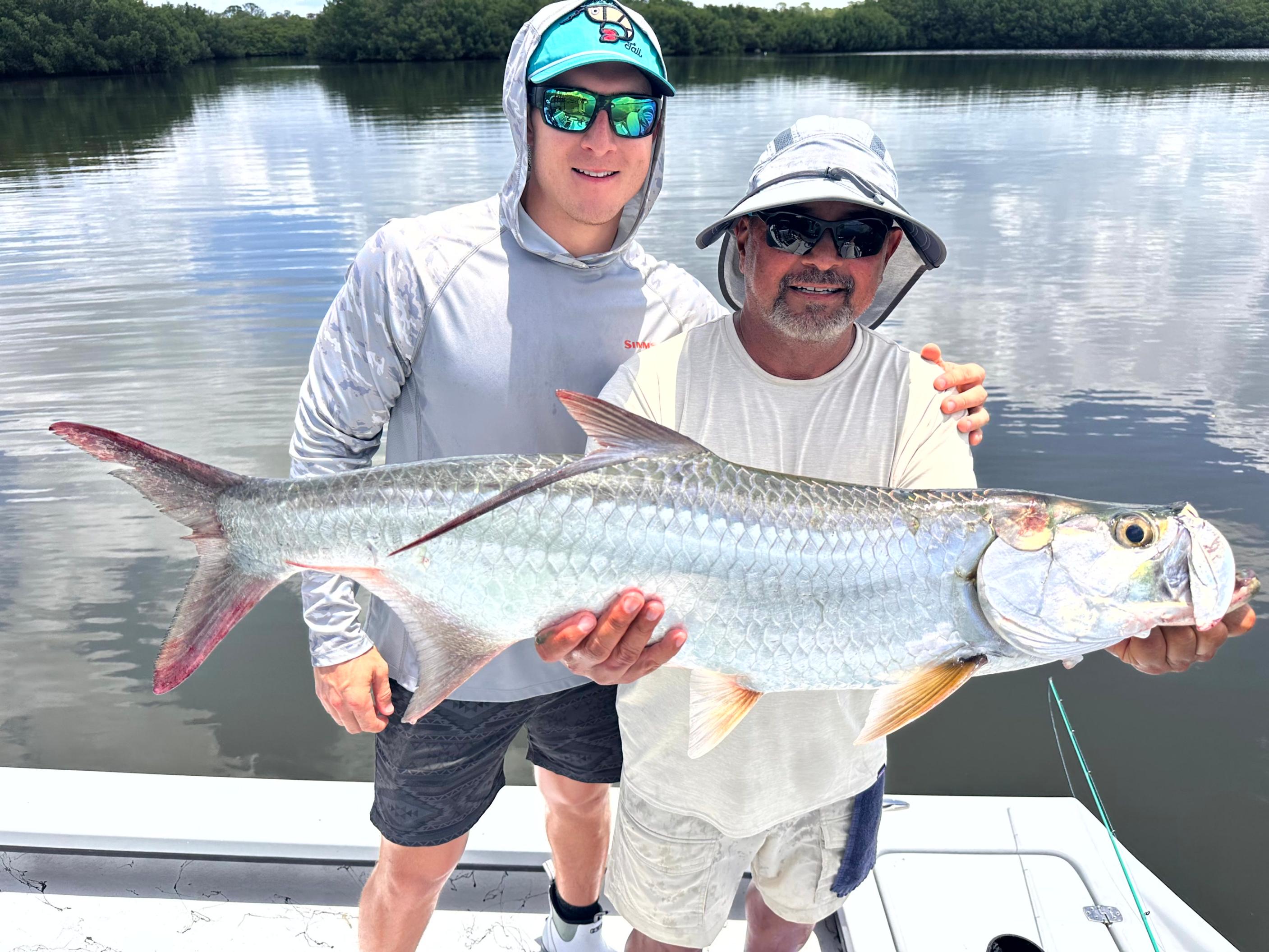
- Tarpon: Seasonal but unforgettable. Once they arrive, they dominate the bay and put on a show every time they jump.
- Sheepshead: Striped, stubborn, and surprisingly strong. They lurk around pilings and rocks, waiting to steal bait.
How Captains Build a Multi-Species Trip
Good guides don't fish one spot all day. They rotate through habitats, adjust tactics, and watch the water for signs. A morning run might start shallow for reds and trout. Then the boat moves to deeper edges for snook or sheepshead. If tarpon are rolling or mackerel are busting bait, the plan shifts again.
Bait selection matters just as much. Live shrimp works for almost everything. Pinfish and pilchards pull in bigger predators. Artificial lures let you cover water fast and trigger reaction strikes. The captain's reading the bite in real time, not sticking to a script. That flexibility is what turns a one-species day into a five-species haul.
Timing Windows That Actually Pay Off
Tampa Bay fishes year-round, but spring and fall are peak windows for variety. Water temps stabilize, baitfish schools are thick, and multiple species feed aggressively at once. Summer brings tarpon season and topwater chaos. Winter slows some species but lights up sheepshead and trout. Your captain will know what's hot when you book, and that's the edge you're paying for.
Gear Decisions That Make a Difference
Most charters rig you with everything you need. But if you're particular about tackle or want to bring your own setup, confirm that upfront. The captain will match gear to the species you're targeting, but versatility is key when you're bouncing between shallow and deep, light and heavy.
- Rods and Reels: Medium-action setups handle most inshore species. Heavier gear gets swapped in if tarpon or big jacks show up.
- Line Strength: You'll see 15- to 30-pound test depending on structure and target size. Braided line gives you better feel and hooksets.
- Leader Material: Fluorocarbon for clear water and spooky fish. Heavier mono or wire if toothy fish like mackerel are in play.
- Hooks and Weights: Circle hooks for live bait. J-hooks for artificials. Weight depends on current and depth.
What Captains Watch That You Don't
Tides drive everything. A falling tide pulls baitfish out of the mangroves and concentrates predators along edges. A rising tide floods flats and opens feeding zones. Wind direction changes water clarity and pushes bait into predictable lanes. Moon phase affects feeding windows. Your captain's not guessing — they're reading conditions and adjusting every move based on what the bay is doing that day.
Conservation Moves That Keep the Bay Loaded
Tampa Bay's fishery is strong because anglers and guides respect it. Slot limits exist for a reason. Snook and redfish have seasonal closures to protect spawning. Trout have bag limits. We're not preaching — we're protecting what makes this place worth fishing in the first place.
- Handle fish with wet hands: Dry hands strip their protective slime and increase mortality.
- Use circle hooks: They reduce gut-hooking and make catch-and-release cleaner.
- Revive fish before release: Hold them upright in the water until they swim off strong.
- Know the regs: Size limits, bag limits, and closed seasons vary by species. Your captain will keep you legal.
What to Expect When You Book
A solid Tampa Bay charter runs four to eight hours. Shorter trips focus on one or two zones. Longer trips let you move through multiple habitats and chase whatever's biting. You'll get a pre-trip briefing on safety, gear, and target species. The captain will adjust the plan based on your skill level and what you want to catch. If you're new, they'll walk you through every step. If you've fished before, they'll let you work.
Bring sunscreen, a hat, polarized sunglasses, and something to drink. Most charters provide rods, bait, and tackle. Some include fish cleaning. Tipping is standard — 20 percent if the captain put you on fish and worked hard to make it happen.
Mistakes That Cost You Fish
- Expecting one species all day: The bay changes constantly. Stay flexible and you'll catch more.
- Ignoring the captain's advice: They've fished these waters hundreds of times. Listen when they tell you to change bait or adjust your cast.
- Setting the hook too hard on trout: Their mouths are soft. A firm hookset is all you need.
- Not staying ready: Bites come fast. Keep your drag set, your line tight, and your rod in hand.
Why Tampa Bay Beats Single-Species Fishing
There's a reason anglers keep coming back. You're not locked into one target or one technique. The bay rewards adaptability, and every trip feels different. One morning you're sight-casting to tailing reds. By afternoon you're fighting a tarpon that's airborne and screaming drag. That kind of variety doesn't happen everywhere — but it happens here, and it happens often.
We've guided enough trips to know what separates a good day from a great one. It's not just the fish count. It's the range. It's walking off the boat with five species, three techniques, and a dozen stories. That's what Tampa Bay delivers when you fish it right.
Ready to Experience Tampa Bay’s Best?
We know the thrill of chasing multiple species in a single day, and we’re here to make your next trip unforgettable. Let’s plan your adventure together—call us at 813-727-9890 to talk details, or Book Your Next Tampa Fishing Charter and see just how much Tampa Bay has to offer.
‹ Back