

By using our website, you agree to the use of cookies as described in our Cookie Policy
Most anglers think snook are out in the open water or buried in mangrove tunnels. But docks? Those are where the action really stacks up. Tampa Bay has hundreds of them, and if you're not fishing them, you're missing out on one of the most consistent snook patterns in the area. Docks aren't just structure—they're feeding stations, ambush zones, and holding spots wrapped into one. And if you fish them right, they'll produce when flats and channels go quiet.
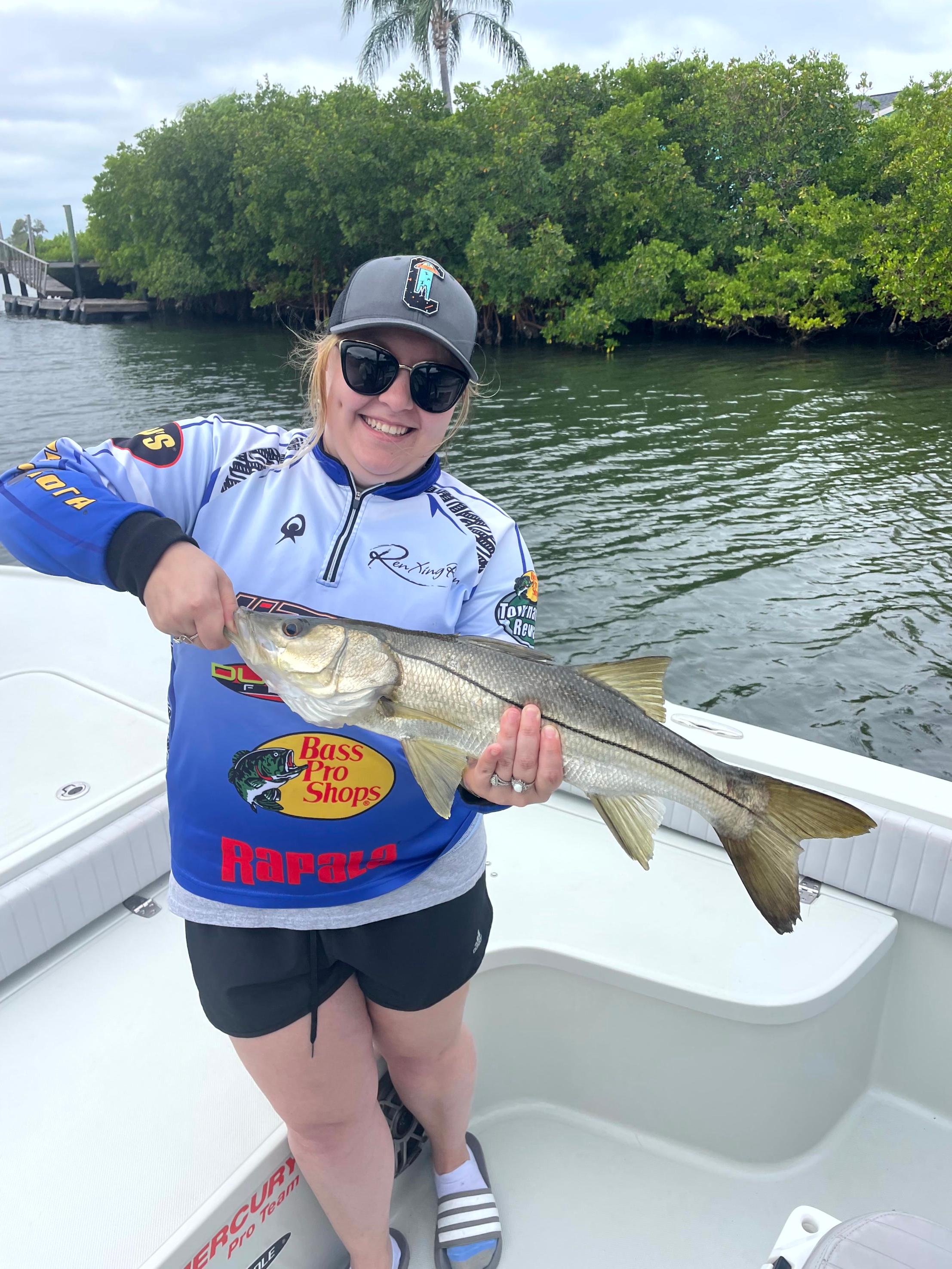
So here's what matters. Snook use docks because they offer everything they need in one convenient package. Food, cover, and current breaks. Every piling creates a shadow. Every shadow holds potential. And if you know when to show up and what to throw, you'll connect more often than not. Just don't expect them to make it easy—snook demand precision, and docks demand even more of it.
Structure That Does the Work for You
Docks aren't random—they're magnets. The pilings interrupt current, create eddies, and funnel baitfish into tight corridors where snook can pin them down. That's the whole game. Snook don't chase when they don't have to. They post up in the shade, wait for shrimp or glass minnows to drift past, and strike when the timing's right. It's efficient, it's effective, and it's why you'll find them stacked under docks even when the rest of the bay seems empty.
Tampa Bay's docks range from residential finger piers to commercial marina slips, and all of them can hold fish. The best ones sit near deeper channels or grass flats, giving snook quick access to different depths depending on tide and temperature. If a dock has barnacles, better yet. That means current, and current means food moving through regularly.
When the Bite Turns On
Snook are around docks year-round, but not all months are equal. Late spring through early fall is prime time, when water temps climb into the mid-70s and snook shift into aggressive feeding mode. They're closer to shore, more willing to eat, and less spooky than they are in winter. During this window, docks become full-time hunting grounds instead of just occasional stops.
Tides drive the rhythm. Moving water wakes up the entire food chain, and snook know it. Incoming tides push bait toward docks, outgoing tides pull it away, and snook position themselves accordingly. Fish the first two hours of a tide change and you'll see the most activity. Early morning and late evening are gold, especially if there's cloud cover or a slight chop to break up the surface. Night fishing under lighted docks is another level entirely—baitfish swarm the glow, and snook cruise the edges waiting to pick them off.
What Works When You're Casting Tight
Fishing docks isn't about power—it's about placement. You need to get your presentation into the zone without hanging up on every piling or spooking fish with a sloppy splash. Here's what gets it done:
- Live shrimp or pilchards rigged on a circle hook and freeline them close to the pilings, letting them drift naturally with the current
- Soft plastic jerkbaits or paddle tails on a light jighead, worked slowly parallel to the dock line where snook hold in the shadows
- Topwater plugs during low light, especially walk-the-dog style baits that create surface commotion and trigger aggressive strikes
- Weedless rigged swimbaits for pitching into tight gaps between pilings where snook tuck in during midday heat
- Fluorocarbon leaders in the 20-30 lb range to avoid visibility issues in clear water and prevent break-offs on barnacle-covered structure
The Details That Separate Hookups from Blanks
Snook aren't stupid, and docks amplify their awareness. Approach quietly, whether you're wading, paddling, or drifting in a boat. Heavy footsteps on a dock deck or a trolling motor that's too loud will shut them down before you even make a cast. Watch the water for flashes, nervous baitfish, or swirls near pilings—those are your clues that snook are active and feeding.
Cast accuracy matters more here than almost anywhere else. Snook sit tight to structure, often within inches of a piling. If your bait lands three feet away, you might as well be fishing a different zip code. Practice pitching and flipping so you can drop a lure into a six-inch window without hanging up. And if you're fishing from a kayak or small boat, positioning yourself for a clean angle makes all the difference.
What the Regulations Actually Mean
Florida manages snook hard, and for good reason. There are closed seasons, size limits, and bag limits that change depending on the time of year and the zone you're fishing. Before you head out, check the latest rules from FWC. If you're fishing during the closed season, it's catch and release only—no exceptions. Handle them with wet hands, support their body weight, and get them back in the water quickly. A tired snook that's been mishandled won't survive, and that's on you.
Private docks deserve respect too. Don't trespass, don't tie off to someone's property without permission, and don't leave trash behind. The more considerate we are, the more access we keep. There are plenty of public docks, bridge pilings, and marina edges where you can fish legally and productively without stepping on anyone's toes.
The Spots That Keep Producing
Not all docks are created equal, and learning which ones hold fish consistently is part of the game. Look for docks with deeper water access, especially those near channels or drop-offs. Docks with good current flow and natural structure nearby—like oyster bars or grass beds—tend to hold more fish more often. Lighted docks at night are always worth a cast, and docks with bait schools hovering underneath are no-brainers.
In Tampa Bay, areas like the Interbay Peninsula, Apollo Beach, and the Skyway Bridge area all have productive dock fishing. But don't just hit the obvious spots. Some of the best snook fishing happens at random residential docks in quiet neighborhoods where pressure is low and fish feel safe. Explore, take notes, and build your own rotation of reliable spots.
Why This Pattern Stays Reliable
Docks don't move. They don't change with the seasons. They're permanent structure in a dynamic environment, and that's why snook use them so consistently. Even when flats fishing slows down or offshore bite drops off, dock snook stay in the game. They're not always easy, but they're almost always there. And if you're willing to put in the casts, read the conditions, and adjust your approach, you'll hook up more than you'll blank.
At the end of the day, snook around Tampa Bay docks aren't a maybe—they're a certainty. The question isn't whether you can find them, it's whether you're fishing them the right way. Dial in your timing, tighten up your presentation, and respect the resource. Do that, and the docks will keep giving back season after season. Tampa fishing for snook around docks offers anglers consistent action when approached with the right techniques. Whether you're exploring service areas around the bay or targeting specific structures, understanding dock fishing fundamentals will keep you connected to one of the most reliable snook patterns available.
Ready to Fish Tampa Bay’s Best Docks?
We know the thrill of hooking into a snook beneath a Tampa Bay dock, and there’s nothing like sharing that excitement with fellow anglers. If you’re ready to experience the most productive dock fishing Tampa has to offer, let’s make it happen together. Call us at 813-727-9890 and book your next Tampa fishing charter—we’ll put you on the fish and show you why these waters are legendary.
‹ Back