

By using our website, you agree to the use of cookies as described in our Cookie Policy
Most anglers think tides are just about water levels. High, low, somewhere in between. But fish see more than that — and if you don't, you're missing the best hours on the water. Tides may not dictate every strike, but they do control when baitfish move, where predators position, and how long those feeding frenzies last. Especially in a system as dynamic as Tampa Bay fishing.
So here's the reality. If you're fishing without checking the tide, you're guessing. Every swing creates opportunity. Every current shift changes the game. And every successful trip starts with understanding how water movement drives fish behavior — not just where you think they should be.
Water Movement Drives Everything
Tides aren't random. They're the result of gravitational pull from the moon and sun, creating predictable rises and falls twice daily. In Tampa Bay, those swings can be dramatic. Water depth changes, current speed ramps up or slows down, and suddenly the entire food chain reacts. Nutrients get stirred. Baitfish scatter or cluster. Predators move into position.
Fish don't just react to tides — they've evolved around them. When water pushes into the shallows, bait gets funneled into tight spaces. That's when snook, reds, and trout go to work. When it drains back out, those same predators post up at creek mouths and channel edges, waiting for the current to deliver their next meal. It's not luck. It's timing.
What Makes a Bite Window Open
A bite window is the stretch of time when fish are actively hunting and willing to strike. It's not all all day. It's not random. And it's heavily influenced by tidal movement. In Tampa Bay, we've learned that the best windows often align with the strongest currents — incoming or outgoing — when fish are most aggressive.
These windows can be tight. Sometimes you get an hour of nonstop action during a hard incoming push. Other times, the bite stretches across a slow outgoing tide. The key is recognizing the pattern for the species you're after and the conditions you're fishing. Miss the window, and you're casting into dead water.
Swing Size Changes the Intensity
Not all tides are created equal. The size of the swing — how much water moves in and out — matters more than most people realize. During new and full moons, you get spring tides. Bigger highs, lower lows, faster water. That's when bite windows tend to be most explosive.
Strong swings mean more current, more oxygen, more bait getting pushed around. Fish respond. They feed harder and longer because the conditions are right. During neap tides, when the moon's pull is weaker, the swings are smaller. Water moves slower. Bite windows shrink or soften. You can still catch fish, but the urgency isn't there.
Where to Focus Your Effort
Knowing when the tide swings isn't enough. You need to know where to be when it happens. Fish don't spread out evenly across the bay — they stack up in predictable zones based on current and structure.
- Creek mouths and cuts funnel bait during outgoing tides, making them ambush points for reds and snook
- Grass flats come alive on incoming tides as water floods shallow zones and pushes shrimp and crabs into the open
- Docks and pilings create current breaks where fish can hold without fighting the flow
- Oyster bars and rock piles concentrate bait and give predators a place to stage
- Bridge pilings and channel edges are magnets during peak current, especially for trout and tarpon
Timing Beats Guesswork Every Time
We don't fish blind. We check tide charts before we leave the dock. We plan around the biggest swings and the strongest currents. And we adjust our approach based on what the water's doing when we get there.
If the tide's ripping, we fish heavier. If it's slack, we go lighter and slower. If we're targeting snook fishing in Tampa, we focus on the last two hours of the incoming. For reds, we lean toward the first part of the outgoing. Trout? They like moderate flow, not the extremes. Every species has a preference, and every angler who pays attention learns to read it.
What Separates Consistent Anglers from Lucky Ones
Consistency comes from preparation. You can't control the weather or the moon phase, but you can control how you respond to them. That means showing up when the conditions align, not just when it's convenient.
- Study tide charts and moon phases to identify the strongest swings
- Track your catches and note the tide stage, current speed, and time of day
- Adjust your tackle and presentation based on water movement
- Focus on structure during peak current and open flats during slower tides
- Don't waste time fishing slack water unless you're targeting a species that prefers it
Species Respond Differently
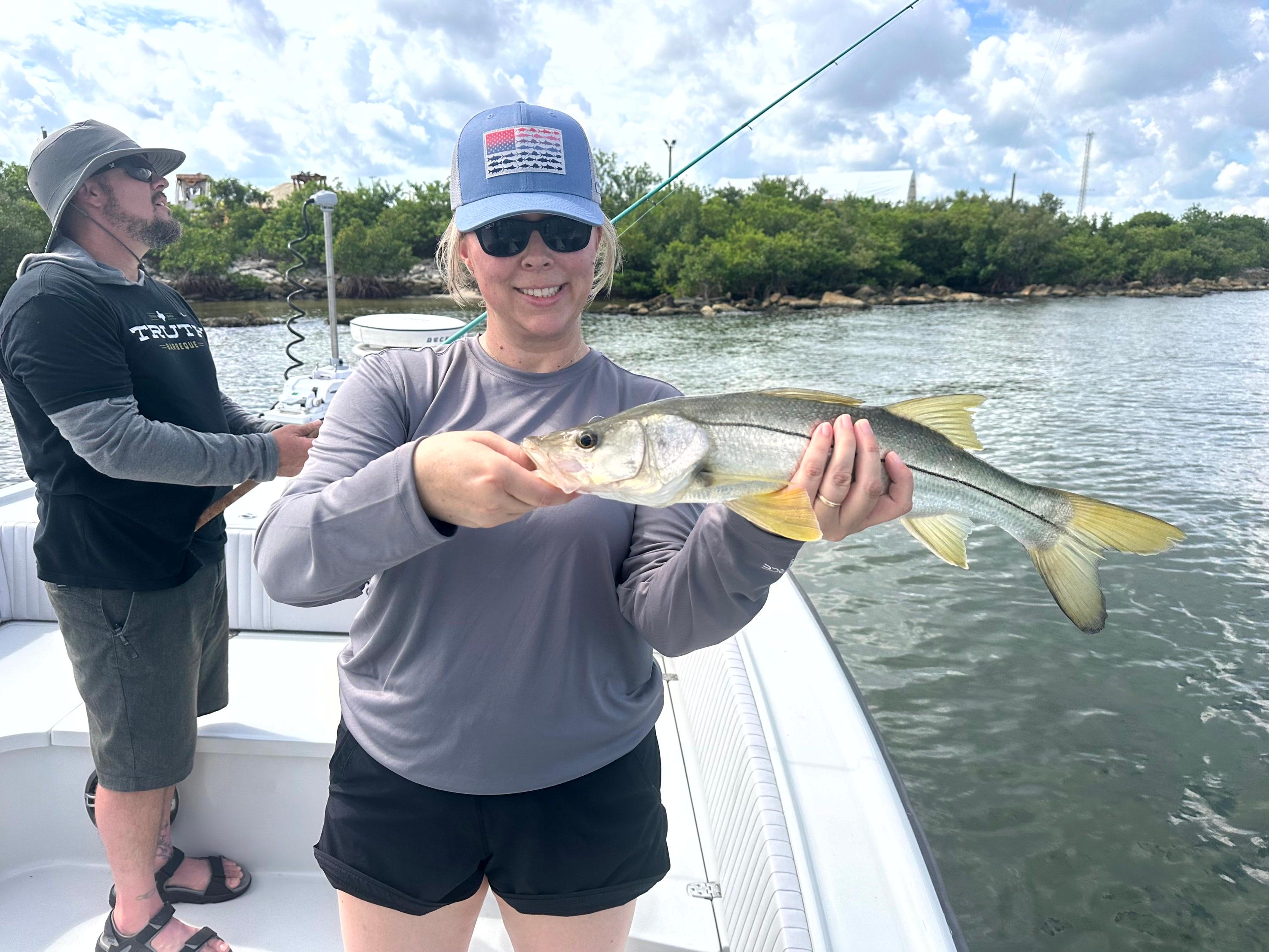
Not every fish in Tampa Bay follows the same playbook. Snook are notorious for feeding hard during the tail end of an incoming tide, especially around structure. Redfish in Tampa Bay often prefer the outgoing, positioning themselves where bait gets swept out of the shallows. Trout tend to avoid the strongest currents, favoring moderate flow over grass and sand.
If you're chasing multiple species in one trip, you'll need to shift your strategy as the tide changes. What works for snook at high tide won't work for trout two hours later. That's why understanding species-specific behavior matters just as much as reading the tide itself.
Common Mistakes That Cost You Fish
Plenty of anglers show up at the wrong time and wonder why they're not catching. They fish slack water because it's calm. They ignore the tide chart because they "know the spot." Or they stick with one technique all day, even when the current changes everything.
- Fishing during slack tide when fish are least active
- Using the same weight or lure regardless of current speed
- Ignoring structure and fishing open water during strong tides
- Targeting the wrong species for the tide stage you're fishing
- Failing to track patterns and repeating the same mistakes
Documentation Keeps You Sharp
We keep logs. Not because it's fun, but because it works. Every trip, we note the tide stage, the current speed, the species we caught, and where we caught them. Over time, those notes turn into patterns. And those patterns turn into predictable success.
You don't need a fancy system. A notebook or a phone app works fine. The point is to stop relying on memory and start building a reference you can trust. When you know what worked last month during a similar tide, you're not guessing anymore.
When to Call It and When to Stay
Not every tide swing delivers. Sometimes the water's too dirty. Sometimes the wind kills the bite. Sometimes the fish just aren't there. Knowing when to stay and grind versus when to pack it in is part of the learning curve.
But if the conditions are right — clean water, strong current, good structure — and you're fishing the right window, the odds are in your favor. That's when you stay. That's when you work the zone hard and trust the process.
Tides Don't Lie
Fishing Tampa Bay without understanding tides is like driving without a map. You might get somewhere eventually, but you'll waste a lot of time and fuel doing it. The water tells you when to fish, where to fish, and how to fish. All you have to do is listen.
At the end of the day, tide swings absolutely change bite windows. They control when fish feed, where they position, and how aggressively they strike. If you're serious about catching more fish, you'll stop treating tides like background noise and start treating them like the most important variable on the water. Whether you're booking a fishing charter or heading out on your own, understanding Tampa Bay fishing tips like these will make all the difference. For those looking to experience the best action with our captain, timing your trip around optimal tidal conditions is key.
Let’s Make Your Next Trip Unforgettable
We know the tides, the patterns, and the bite windows that turn a good day on Tampa Bay into a great one. If you’re ready to fish smarter and experience the difference that local knowledge makes, let’s talk. Call us at 813-727-9890 or book your next tampa fishing charter and let’s plan your best day on the water yet.
‹ Back