

By using our website, you agree to the use of cookies as described in our Cookie Policy
Most anglers obsess over what they'll catch. But if you show up to a Tampa Bay fishing charter unprepared, you won't even remember the fish—you'll remember the sunburn, the dehydration, or the fact that you wore the wrong shoes and spent six hours sliding across the deck. The captain provides the gear and the knowledge. Your job? Show up ready to fish without turning into a liability or a lobster.
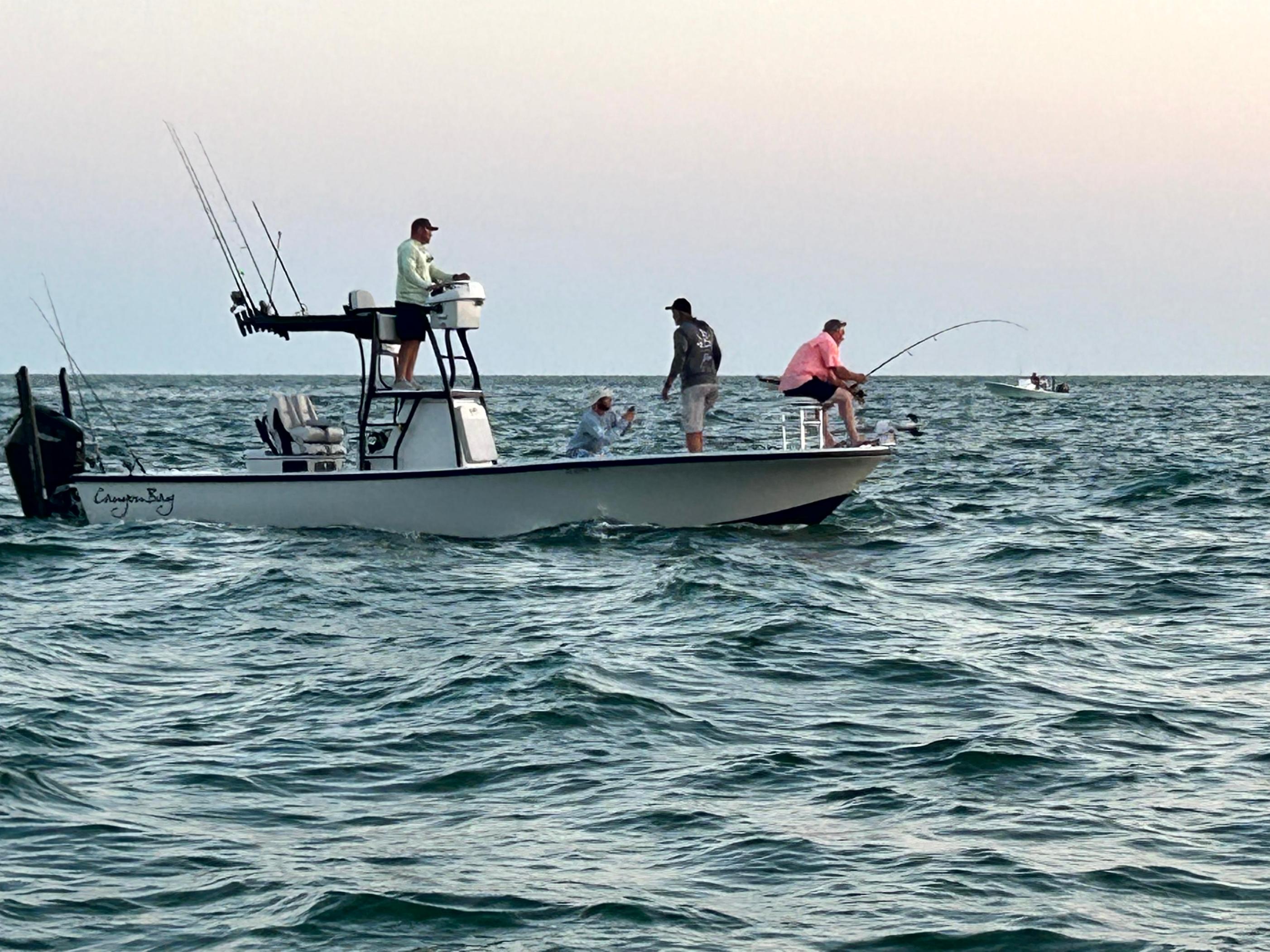
So here's the reality. A charter isn't a guided tour where everything's handed to you. You're still responsible for your own comfort, your own safety, and your own ability to stay functional under the Florida sun. Pack smart, and you'll spend the day hauling snook and redfish. Pack like a tourist, and you'll spend it hiding under a Bimini top wondering why you paid for this.
Sun Protection Isn't Negotiable
Tampa Bay doesn't care if it's overcast. The UV index on the water is brutal, and reflections off the surface double your exposure. If you think you can skip sunscreen because you "tan easily," congratulations—you're about to learn what second-degree burns feel like on a boat with no shade and no escape.
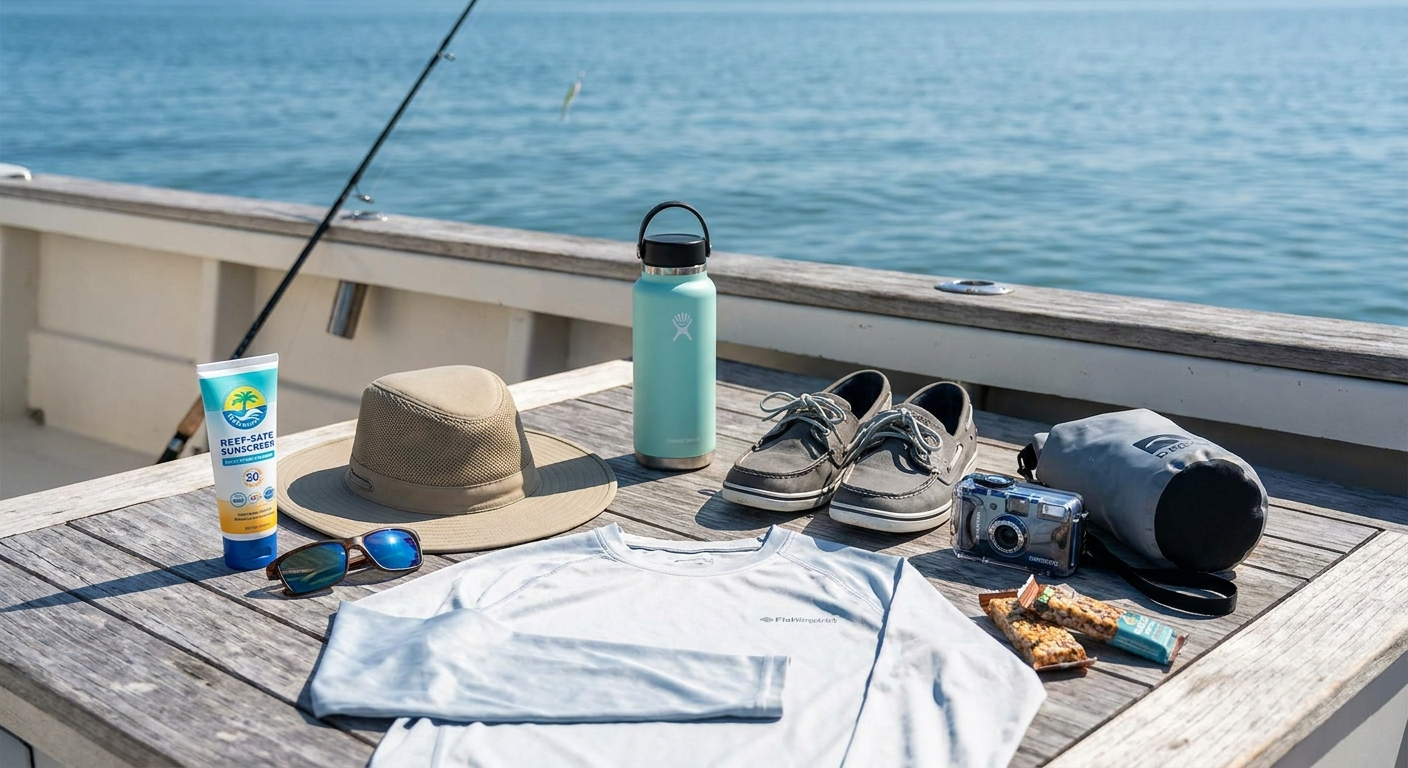
Bring reef-safe sunscreen with at least SPF 50, and reapply it every hour. Not when you remember. Every hour. Polarized sunglasses aren't just for looking cool—they cut glare and help you spot fish. A wide-brim hat or a cap with neck protection keeps the sun off your face and ears. And if you forget lip balm with SPF, your lips will crack and bleed by noon. We've seen it happen.
Hydration and Fuel Keep You Fishing
You're going to sweat more than you think. The combination of heat, humidity, and salt air drains you faster than a long day at the office ever could. And if you wait until you're thirsty to drink water, you're already behind.
Pack more water than seems reasonable—at least a gallon per person for a half-day trip. Bring snacks that won't melt or spoil in the heat. And skip anything in glass bottles. One rogue wave and you've got shattered glass all over the deck. Here's what works:
- Bottled water or insulated bottles filled with ice
- Granola bars, trail mix, or protein bars
- Fresh fruit like apples or grapes that won't turn to mush
- Sandwiches in sealed containers or bags
- Electrolyte drinks if you're prone to cramping
Footwear That Won't Get You Hurt
Flip-flops are a disaster waiting to happen. So are running shoes with no traction. The deck gets wet, it gets slippery, and if you're stumbling around trying not to fall overboard, you're not fishing—you're a hazard.
Wear boat shoes, water sandals with straps, or anything with a non-slip sole that won't fly off when you're moving fast. If your shoes can't handle getting soaked, leave them in the car. And if you show up in brand-new white sneakers, don't complain when they're stained with bait slime by the end of the trip.
Clothing Built for the Conditions
Cotton feels great until it's drenched in sweat and salt water. Then it clings, chafes, and takes forever to dry. You want moisture-wicking fabrics that breathe and dry fast—performance fishing shirts, lightweight athletic wear, anything designed to move with you and keep you cool.
Long sleeves and long pants might sound miserable in the heat, but they're your best defense against UV exposure and wind chill once the boat starts moving. Bring a light rain jacket or windbreaker too. Florida weather shifts without warning, and getting caught in a squall with no protection isn't fun for anyone. Here's the checklist:
- Moisture-wicking long-sleeve shirt
- Lightweight pants or board shorts
- Rain jacket or windbreaker
- Extra shirt if you're prone to sweating through clothes
- Buff or neck gaiter for additional sun coverage
Personal Essentials You'll Regret Forgetting
If you get seasick, take medication before you board. Not after you start feeling queasy. By then it's too late, and you'll spend the rest of the trip leaning over the rail instead of reeling in fish. Dramamine, ginger tablets, or wristbands—whatever works for you, bring it.
A small dry bag or waterproof pouch protects your phone, wallet, and keys from spray and splashes. Bring a basic first aid kit with bandages, antiseptic, and any personal medications you might need. And if you wear contacts, pack a backup pair or your glasses. Salt spray and contacts don't mix well.
What the Captain Provides and What You Don't Need
Most Tampa Bay charters supply rods, reels, tackle, bait, and fishing licenses. You don't need to haul your own gear unless you've got a lucky rod you can't live without—and even then, confirm with the captain that it's appropriate for the trip.
Don't bring a giant tackle box or a cooler expecting to store it on the boat. Space is limited, and the crew needs room to work. If you plan to keep your catch, leave a cooler with ice in your car. The crew will clean and bag your fish at the dock, and you can transfer everything when you're done. Here's what's typically covered:
- All fishing rods and reels
- Bait and tackle
- Fishing licenses for guests
- Basic safety equipment
- Ice for keeping catch fresh until you dock
Cash for Tips and Courtesy
Your captain and crew work hard to put you on fish, keep you safe, and make the trip enjoyable. Tipping isn't optional—it's expected. Standard practice is 15-20% of the charter cost, paid in cash at the end of the trip. If the crew went above and beyond, tip more. If they cleaned your fish, handled rough conditions, or taught you something new, show appreciation.
Bring enough cash to cover tips and any extras like fish cleaning fees or last-minute gear purchases. Don't make the crew wait while you find an ATM. And if you're booking a shared charter, coordinate with the other anglers so everyone chips in fairly.
Camera Gear That Can Handle the Water
You'll want photos of your catch and the scenery, but smartphones and expensive cameras don't survive unexpected splashes or drops overboard. A waterproof case or action camera like a GoPro keeps your gear safe and functional.
Skip the bulky DSLR unless you're confident you can protect it. And if you're using your phone, keep it in a sealed bag or pouch when you're not actively shooting. One rogue wave is all it takes to ruin a $1,200 device. Here's what works:
- Waterproof phone case or dry bag
- Action camera with mounts
- Lanyard or strap to prevent drops
- Backup battery or portable charger
- Microfiber cloth for wiping salt spray off lenses
Showing Up Ready Means Catching More Fish
You can't control the weather or the bite, but you can control how prepared you are when you step on the boat. The anglers who pack smart, dress right, and bring the essentials spend their time fishing—not scrambling for water, hiding from the sun, or slipping across the deck in the wrong shoes. The captain handles the boat and the fish. You handle yourself. Do that, and you'll walk off the dock with a cooler full of catch and a day you'll actually want to remember.
At the end of the trip, the difference between a good charter and a miserable one usually comes down to preparation. Bring what you need, leave what you don't, and respect the fact that the crew's job is to put you on fish—not babysit you through poor planning. Show up ready, and Tampa Bay will deliver.
Let’s Get You on the Water
We know that the best fishing stories start with a well-prepared trip and a crew that’s got your back. If you’re ready to make memories on Tampa Bay and want a team that handles the details so you can focus on the fun, give us a call at 813-727-9890. Let’s plan your adventure—Book Your Next Tampa Fishing Charter and let’s make your next day on the water one to remember.
‹ Back