

By using our website, you agree to the use of cookies as described in our Cookie Policy
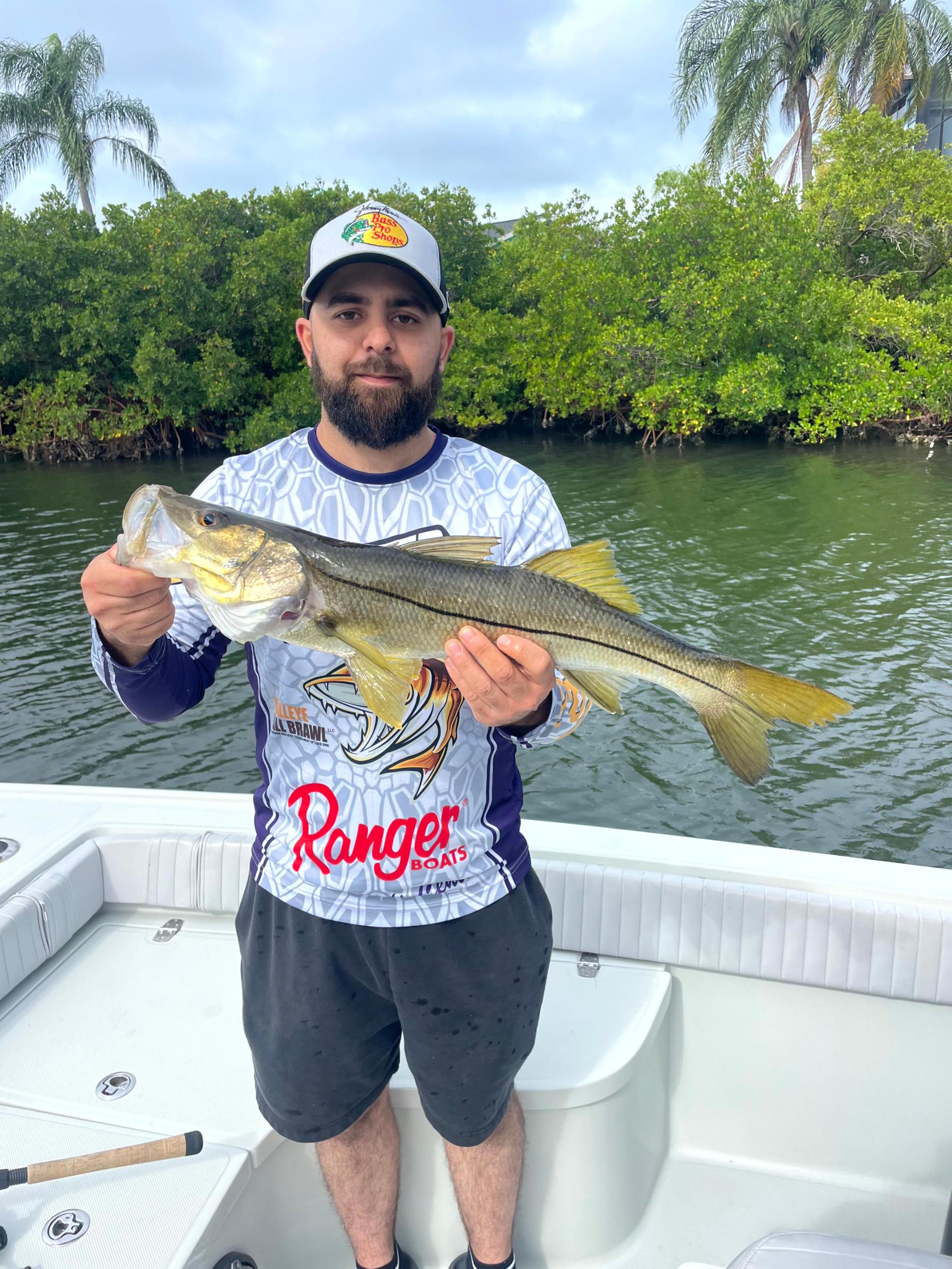
Snook don't care about your schedule. They care about the water, the moon, the tide, and whether dinner is swimming by. Tampa Bay is loaded with them, but that doesn't mean they'll bite whenever you show up. Most anglers waste time fishing blind, guessing at windows instead of working with the conditions. The bite is there—you just have to know when to show up and where to look.
So here's what matters. If you want consistent hookups, you need to align your trips with what triggers feeding behavior. That means paying attention to seasons, tides, light, and lunar cycles. Skip the guesswork. Fish when snook are actually hunting.
Temperature Dictates the Calendar
Snook move with the thermometer. When Tampa Bay heats up past 70°F, they wake up and start prowling the shallows. Late spring through early fall is when the action peaks—May through September delivers the most reliable bites, with June and July sitting at the top. That's when water temps hit the sweet spot and snook spread out across flats, mangroves, and passes to feed hard before and after spawn.
Winter shuts things down. Once the water drops below 60°F, snook retreat to deep channels and warm-water discharges. They stop feeding aggressively and become sluggish. You can still catch them, but it's harder and the windows are narrower. Spring and fall bookend the hot months with transition periods where snook feed heavily—pre-spawn in spring, pre-winter in fall. Both offer explosive action if you time it right.
Moving Water Means Moving Fish
Slack tide is dead time. Snook are ambush feeders, and they rely on current to push baitfish into kill zones. The strongest bites happen during incoming and outgoing tides, especially the last two hours of the push and the first two hours of the pull. That's when water movement concentrates prey around structure—docks, bridges, mangrove edges, oyster bars—and snook set up to strike.
We focus our efforts around these windows. If the tide chart shows a major swing, that's when we're on the water. The harder the current, the better the bite. Timing your trip around tidal flow isn't optional if you want numbers. It's the difference between a slow day and a cooler full of fish.
Low Light Equals High Activity
Snook hunt when the sun isn't blasting. Early morning and late evening are prime windows, especially in summer when midday heat pushes them deeper. Dawn and dusk trigger feeding runs into shallow water, and that's when you'll find them cruising edges and ambush points. The bite can last an hour or two, then taper off as the sun climbs or darkness settles in.
Night fishing flips the script entirely. Lighted docks and bridges become feeding stations after dark, pulling in baitfish and activating snook. We've seen some of the best action under lights during warm months, with snook stacking up and striking hard. If you're willing to fish after hours, the bite can be even better than daylight runs.
Moon Phase Shifts the Odds
The moon controls the tides, and the tides control the snook. New and full moons create the strongest tidal swings, which means more water movement and more aggressive feeding. The days leading up to and following these phases are often the most productive. Major tidal flow stirs up bait and triggers snook to position themselves for easy pickings.
Some anglers swear by lunar tables, others just watch the tide chart. Either way, the pattern holds. Bigger tides mean bigger bites. Plan your trips around these lunar events and you'll see the difference in how active the fish are.
Weather Swings Can Flip the Switch
Barometric pressure matters more than most people realize. A dropping barometer—like what happens before a storm—can turn snook on and trigger a feeding frenzy. Overcast days stretch the low-light window and keep fish active longer. Stable high pressure, on the other hand, can slow things down, especially if it follows a cold front.
We pay attention to weather shifts and adjust our timing accordingly. If a front is rolling in, we fish ahead of it. If conditions are stable and bright, we focus on dawn, dusk, or night. The bite changes with the atmosphere, and reading the forecast is part of the strategy.
Key Factors to Stack in Your Favor
- Target the warmer months from May through September for peak activity and aggressive feeding.
- Fish during moving tides, especially the final hours of incoming and the first hours of outgoing.
- Focus efforts around dawn, dusk, and nighttime hours when snook are most active.
- Plan trips around new and full moons to take advantage of stronger tidal swings.
- Watch the weather and fish ahead of fronts or during overcast conditions for extended feeding windows.
Structure Holds the Fish
Even during prime windows, snook won't be everywhere. They stage near structure where current funnels prey. Mangrove shorelines, dock pilings, bridge shadows, oyster bars, and creek mouths are all high-percentage zones. The fish use these spots as ambush points, waiting for bait to drift by with the tide.
We target these areas methodically, working edges and casting tight to cover. The bite often happens within inches of structure, so precision matters. If you're fishing open water during a hot window, you're missing the point. Snook are close to something solid almost every time.
Bait Selection and Presentation
- Live pilchards and pinfish are top choices for natural bait presentations.
- Soft plastic jerkbaits and paddle tails work well when fished around structure.
- Topwater plugs can trigger explosive strikes during low-light periods.
- Suspending twitchbaits are effective when snook are holding in current.
- Match your bait size to what's in the water—snook key on local forage.
Regulations You Can't Ignore
Snook seasons and size limits change, and the penalties for violations are steep. In Tampa Bay, snook fishing is typically closed during spawning months—usually December through February and again in parts of summer depending on the year. Slot limits and bag limits are strictly enforced, and keeping an undersized or out-of-season fish can cost you your license and a hefty fine.
We stay current on FWC regulations and release fish carefully. Most of the snook we catch go back in the water anyway. The fishery is too good to risk messing up, and doing it right keeps the population strong for future trips.
Gear That Handles the Fight
- Medium-heavy spinning rods with fast action give you the backbone to pull snook out of structure.
- Braided line in the 20-30 lb range offers strength and sensitivity.
- Fluorocarbon leaders prevent bite-offs and reduce visibility in clear water.
- Circle hooks improve catch-and-release survival rates.
- Keep pliers and a dehooker handy for quick, safe releases.
Dial In the Details
The difference between a slow day and a banner day isn't luck—it's preparation. Snook bite the most in Tampa Bay when conditions align: warm water, moving tides, low light, and lunar influence. Stack as many of these factors as possible and fish with intention. The fish are there. The question is whether you're showing up when they're ready to eat.
We've seen too many anglers fish hard at the wrong times and wonder why they're not hooking up. Don't be that guy. Check the charts, watch the weather, and hit the water when snook are actively hunting. The bite is predictable if you know what to look for—and once you dial it in, Tampa Bay fishing delivers. Whether you're targeting snook fishing specifically or exploring fish we catch throughout the bay, understanding these patterns is essential. For expert guidance on snook fishing in Tampa, working with experienced anglers can help you maximize your success. Consider booking fishing charters to learn from professionals who understand these timing windows. Our captain has spent years mastering these patterns and can put you on fish during peak feeding times.
Ready to Fish Smarter?
We know the difference that timing and local knowledge make when it comes to landing trophy snook in Tampa Bay. Let’s put our experience to work for your next adventure—reach out to us at 813-727-9890 and let’s plan a trip that hits the bite just right. If you’re ready to get on the water and experience the best of Tampa Bay, book your next tampa fishing charter with us today.
‹ Back