

By using our website, you agree to the use of cookies as described in our Cookie Policy
Redfish don't wander aimlessly when the tide climbs. They move with purpose, sliding into zones that weren't even wet an hour earlier. Tampa Bay transforms during high tide—flats flood, channels swell, and structure that sat exposed suddenly becomes prime hunting ground. If we're going to intercept these fish, we need to think like they do. That means understanding not just where the water goes, but what it brings with it.
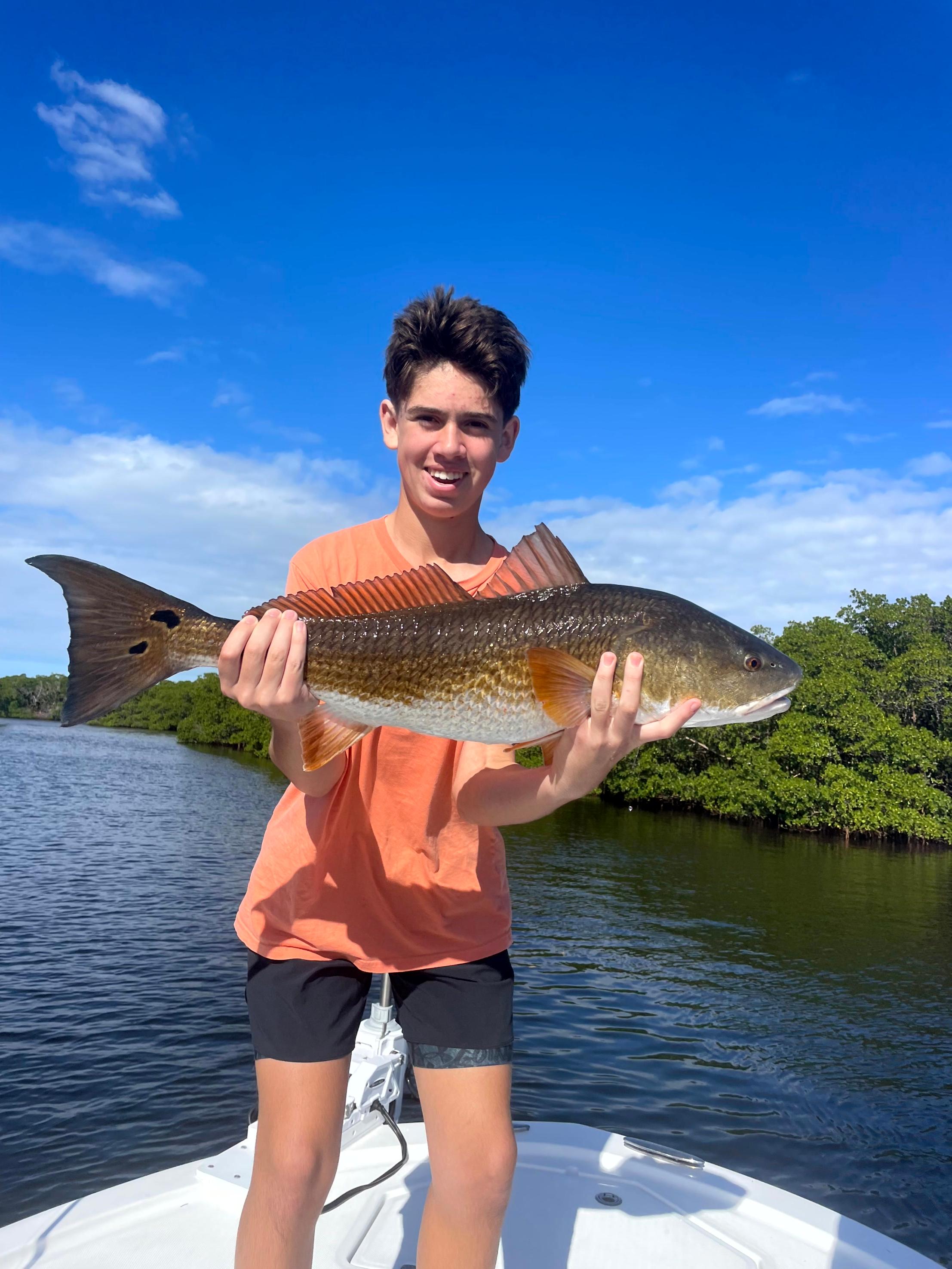
High tide isn't just more water. It's access. Redfish use it to push into feeding areas they couldn't reach before, chasing crabs and shrimp into root systems, grass beds, and oyster rubble. Miss the window, and you're fishing empty water. Dial it in, and you'll find yourself surrounded by tailing reds with their backs out of the water.
The Mangroves Light Up
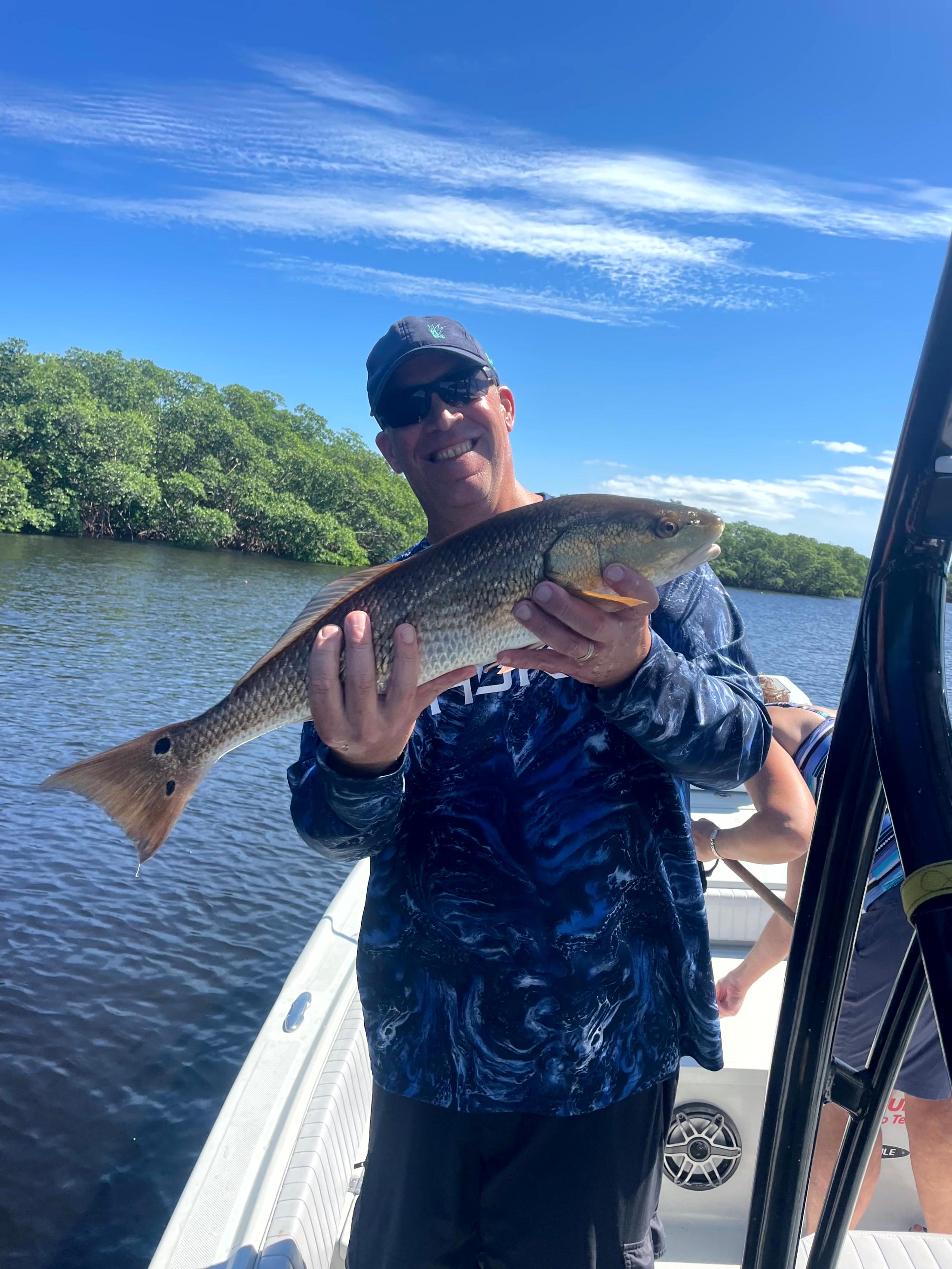
When the tide floods the mangrove edges, redfish follow. Those tangled roots hold everything a red drum wants—crabs scuttling for cover, shrimp darting through the shadows, small baitfish pinned against structure. It's a buffet with nowhere to run. We've watched reds work these edges methodically, noses down, tails up, rooting through the shallows like they own the place.
Timing matters here. The last push of incoming water and the first hour of the drop are peak windows. That's when redfish are most aggressive, knowing their feeding window is about to close. Cast tight to the roots. Let your bait sink slow. And don't yank it away the second it hits—give it time to settle into the strike zone.
Oyster Bars Become Ambush Zones
Oyster bars shift from exposed obstacles to submerged staging areas once the tide rolls in. Redfish know this. They move onto the bars, using the structure to pin down prey and break up current. The jagged shells create pockets where shrimp and crabs try to hide, and reds patrol those seams relentlessly.
Look for nervous water or baitfish scattering near the surface. Those are tells. Redfish aren't subtle when they're feeding over oysters—they push water, stir mud, and leave wakes. If you see that kind of activity, get your bait in front of it fast. The window can close in minutes.
Grass Flats Open Up New Real Estate
During low tide, grass flats sit mostly dry or too skinny to fish. High tide changes everything. Suddenly there's three feet of water covering acres of turtle grass, and redfish spread out across it like a search party. They cruise methodically, scanning for movement, rooting through the blades, and picking off anything that bolts.
Sight fishing becomes viable here. Polarized lenses are non-negotiable. We scan for shadows, wakes, or the copper flash of a tail breaking the surface. When you spot one, lead it by a few feet and let the bait land soft. Redfish in skinny water are alert—they spook easy, but they also eat fast if you don't blow the cast.
Key Shallow Water Targets We Focus On
- Mangrove shorelines with deep root systems and current flow
- Oyster bars that sit just below the surface at high tide
- Flooded grass flats with clear water and minimal boat traffic
- Potholes and depressions that drop a foot or two deeper than surrounding flats
- Creek mouths where tidal cuts funnel bait out of the backcountry
Potholes Concentrate the Action
Even when the flats flood, redfish still gravitate toward slightly deeper pockets. Potholes act like magnets—bait hides there, and reds patrol the edges waiting for something to make a mistake. These depressions don't need to be dramatic. A foot of extra depth is enough to change the game.
We work the edges first, then drop a bait into the center if nothing commits. Redfish will often circle these spots multiple times before striking, so patience pays off. If you get a refusal, don't rip the bait out and recast immediately. Let it sit. Sometimes they come back.
Creek Mouths Act Like Funnels
As the tide floods, it pushes into tidal creeks and backcountry drains. When it reverses, all that water—and everything in it—gets flushed back out. Redfish know this. They post up at the mouths of these cuts, waiting for the conveyor belt of food to come to them.
Current is your friend here. Position yourself so you're casting into the flow, and let the bait drift naturally with the tide. Redfish expect prey to move with the water, not against it. If you're fighting the current, you're working too hard and spooking fish in the process.
Tactics That Actually Produce
- Approach quietly using a push pole or electric trolling motor on low speed
- Match your bait to what's in the water—shrimp, crabs, or pilchards depending on the zone
- Focus on areas with moving water, not stagnant pockets
- Watch for surface activity like tailing fish or nervous baitfish
- Use weedless rigs when fishing heavy grass or oyster structure
What High Tide Really Means for Redfish
High tide isn't just a time to fish—it's the time to fish. Redfish are programmed to take advantage of rising water because it unlocks feeding opportunities that don't exist any other time. They know where to go, and they don't waste energy cruising open water when structure and bait are within reach.
We've learned to let the tide dictate our plan. When the water climbs, we move into the shallows. When it starts to drop, we follow the fish back toward deeper edges. It's not complicated, but it requires attention. Miss the tide, and you're stuck fishing memory instead of reality.
Reading the Water in Real Time
- Look for muddy water near mangroves—that's redfish rooting for food
- Watch for wakes or pushes on the surface, especially over grass flats
- Check the edges of oyster bars for nervous baitfish or diving birds
- Scan potholes for shadows or movement just below the surface
- Listen for the sound of fish feeding—tails slapping water or crabs crunching
Gear That Holds Up When It Counts
Fishing high tide in Tampa Bay means working tight to structure in skinny water. That demands tackle that can handle both finesse and punishment. We run medium-light spinning setups with braided line and fluorocarbon leaders. Weedless jigs, soft plastics, and topwater plugs all have their place depending on depth and clarity.
Don't overthink it. Redfish aren't line-shy, but they are spook-shy. Keep your casts accurate, your movements quiet, and your drag set right. The fish will do the rest.
Conditions That Make or Break the Bite
- Clear water improves sight fishing but demands longer casts
- Cloudy skies can extend the feeding window and reduce spooking
- Wind helps mask your presence but makes spotting fish harder
- Warmer months push redfish into the shallowest zones at dawn and dusk
- Cooler months see redfish holding deeper on the flats, even at high tide
When to Commit and When to Move
High tide gives us a window, but it's not infinite. Redfish will feed aggressively for an hour or two, then pull back as the water starts to drop. If you're sitting on a flat and nothing's happening after thirty minutes, don't wait for magic. Move to the next spot. Creek mouths, oyster bars, and mangrove pockets all fish differently depending on current and structure.
We've had days where we hit five different zones in three hours and caught fish in every one. We've also had days where we sat on one pothole and limited out without moving the boat. The difference? Paying attention to what the fish were telling us and adjusting in real time.
Patterns That Repeat Across the Bay
- Incoming tide pushes redfish into mangroves and grass flats
- Peak feeding happens during the last hour of the flood
- Outgoing tide pulls fish toward creek mouths and channel edges
- Redfish stage near oyster bars during the slack between tidal shifts
- Wind and current together create the most predictable feeding behavior
The Difference Between Fishing and Catching
Knowing where redfish hide during high tide is only half the equation. The other half is execution—making the right cast, working the bait correctly, and staying patient when the bite slows. Tampa Bay rewards anglers who adapt, who read the water instead of just covering it, and who understand that redfish behavior is predictable once you learn the patterns.
We've spent enough time on these flats to know that high tide is the best tide. The fish move shallow, the structure comes alive, and the opportunities stack up fast. But only if you're in the right place, at the right time, doing the right things. That's not luck. That's preparation meeting opportunity—and it works every time the water climbs. If you're ready to experience this yourself, book a fishing charter with us. Our experienced captain knows exactly where to find Tampa Bay redfish at high tide. For those interested in targeting other species, we also offer specialized tarpon fishing trips and can pursue Tampa mangrove snapper on structure. Learn more about Tampa fishing and check out our reviews to see what other anglers have experienced.
Let’s Get You on the Water
We know Tampa Bay’s tides and redfish patterns because we live them every day. If you’re ready to put this knowledge to work and chase redfish when the bite is hottest, let’s make it happen together. Give us a call at 813-727-9890 and Book Your Next Tampa Fishing Charter—we’ll handle the rest so you can focus on the thrill of the catch.
‹ Back