



By using our website, you agree to the use of cookies as described in our Cookie Policy
Most anglers think redfish just vanish when the cold front rolls through. They don't. They move. They adjust. And if you're not tracking that shift, you're fishing blind. Tampa Bay's redfish don't hibernate — they relocate to where the water holds steady and the food is worth the effort. Miss that pattern, and you'll burn hours on empty flats wondering where everyone went.
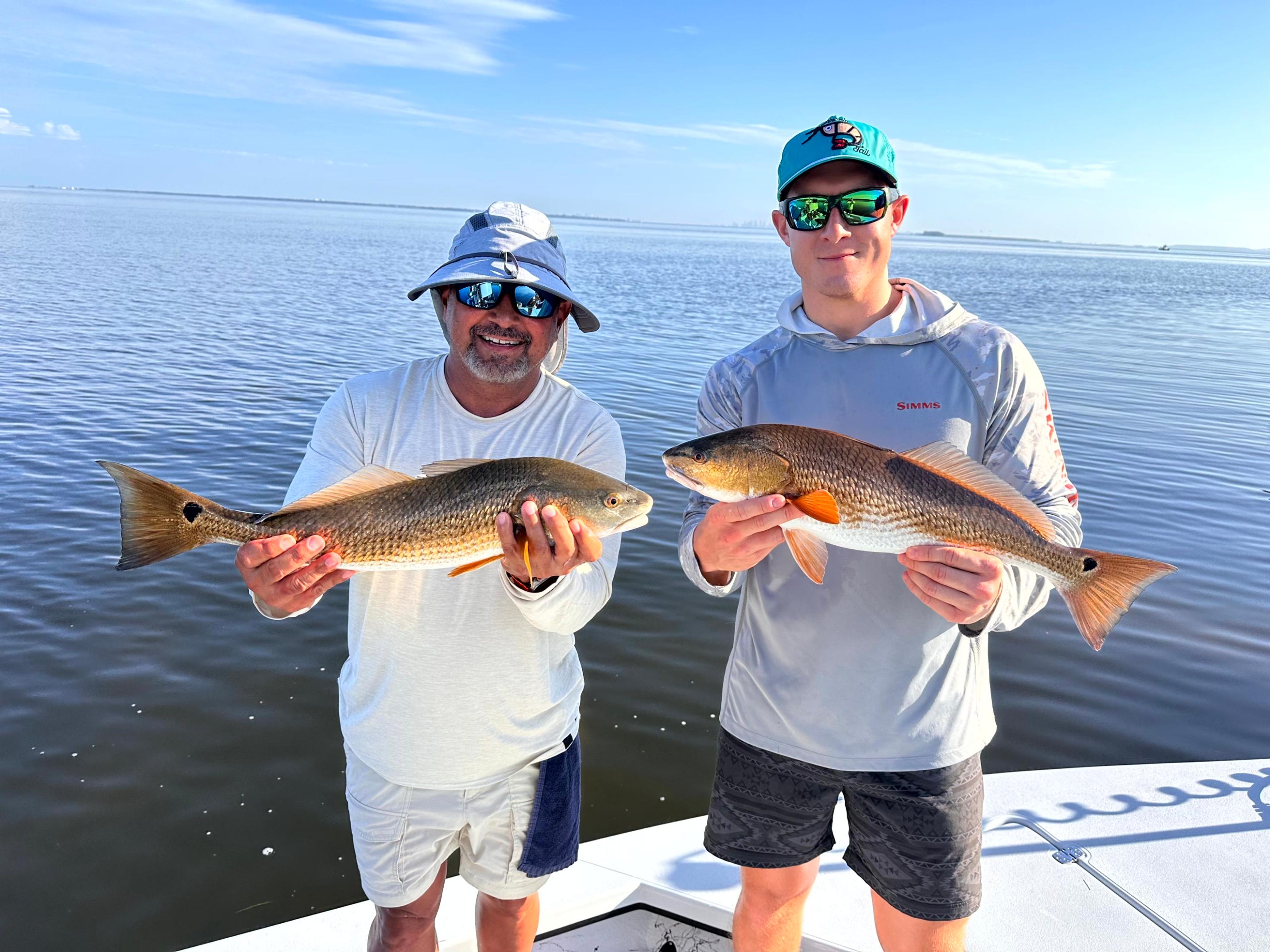
So here's what matters. When temperatures drop, redfish aren't scattered randomly across the bay. They follow heat, depth, and structure. Every school has a reason for being where it is. Every productive winter spot comes down to how the fish react to cooling water and changing prey availability. Know the signs, and you'll find them. Ignore the shift, and you're casting into ghosts.
The Shift Toward Stability
Redfish aren't built to tolerate rapid temperature swings. When overnight lows start hammering the shallows, those fish don't stick around to tough it out. They push toward areas that hold warmth longer — deeper cuts, channels, and basins where the water doesn't fluctuate with every weather change. The flats that were loaded in September? They're ghost towns by January unless the sun's been out for days.
Structure plays a bigger role than most realize. We're not just talking about depth for depth's sake. Redfish gravitate toward spots that offer thermal refuge and access to food. Oyster bars near drop-offs, rocky points adjacent to channels, mangrove-lined pockets that trap warmer water — these become magnets. The fish aren't hiding. They're positioning themselves where conditions make sense.
Tidal Creeks Become Prime Real Estate
When the bay cools off, tidal creeks and feeder rivers turn into hotspots. Freshwater inflow keeps these areas slightly warmer, and the surrounding vegetation creates natural insulation. Redfish move into these creeks in numbers, often stacking up in predictable zones where the current pushes bait and the bottom offers cover.
The key is understanding tidal movement. We've seen the best action on incoming tides when warmer water pushes in and activates feeding. Outgoing tides can work too, especially if they concentrate baitfish in narrow channels. But slack tide? That's when things go quiet. Time your trips around moving water, and you'll see the difference immediately.
They're Not Alone Anymore
Summer redfish often cruise solo or in small packs. Winter changes that entirely. Colder months trigger schooling behavior — sometimes dozens of fish grouped tight in a single area. It's a survival strategy. Larger schools conserve energy, improve predator defense, and make locating food easier when prey is less abundant.
Find one winter redfish, and you've likely found the whole crew. These schools patrol deeper grass flats, circle structure, and cruise along channel edges. They're not as aggressive as summer fish, but they're there. The challenge is spotting them before you spook them. Stealth matters more in winter than any other season.
Feeding Slows Down but Doesn't Stop
Cold water slows metabolism. That means redfish feed less frequently and become pickier about what they'll chase. Fast-moving baits that worked in August won't get the same response in January. Winter redfish want easy meals — shrimp, small crabs, anything that doesn't require a high-speed pursuit.
We've had the most success with slow presentations. Live shrimp fished under a popping cork, soft plastics worked along the bottom, cut bait in deeper holes — these all produce when the fish are lethargic. Fish during Tampa Bay winter fishing, and you'll catch them more active. Early morning or late evening? Forget it. The water's too cold, and the fish won't move.
Winter Tactics That Actually Work
- Target deeper channels and basins that hold stable temperatures
- Focus on tidal creeks with freshwater influence and vegetation cover
- Look for schools cruising structure like oyster bars and rocky points
- Use slow retrieves with natural baits or soft plastics that mimic crustaceans
- Fish midday when the sun has warmed the water to peak temperatures
Depth Becomes Non-Negotiable
Shallow flats that produced all summer? They're worthless after the first cold snap unless you're fishing a warm afternoon with bright sun. Redfish retreat to areas where depth provides insulation. Six to ten feet becomes the sweet spot in most of Tampa Bay's winter fishery. Anything shallower cools too fast. Anything deeper, and you're often below where the fish are comfortable.
Don't overlook drop-offs and transitions. Redfish will hold along edges where they can slide into deeper water if temperatures drop further or move shallow if conditions warm up. These transition zones are gold — especially near structure that holds bait. A channel swing near an oyster bar? That's where we find them stacked.
What the Bait Tells You
- Mullet schools concentrated in creeks signal redfish aren't far behind
- Shrimp popping on the surface during warm spells means feeding fish are nearby
- Baitfish holding tight to structure suggest predators are pressuring them
- Birds working over deeper water can reveal schools of redfish pushing bait up
- Lack of bait activity often means the water's still too cold for aggressive feeding
Mistakes That Cost You Fish
We see anglers make the same errors every winter. They fish too fast, covering water like it's summer. They ignore tides, showing up at slack and wondering why nothing's biting. They stick to the same shallow spots that worked in October, refusing to adjust when those areas go dead. And they give up too early, assuming redfish have left the system entirely.
The fish are still there. They've just changed address. Slow down. Fish smarter, not harder. Match your approach to the conditions, and you'll find them. Stick to summer habits, and you'll go home empty-handed wondering what went wrong.
Gear Adjustments for Cold-Water Success
- Downsize your tackle — lighter line and smaller hooks increase bites
- Switch to natural baits over artificials when fish are sluggish
- Use heavier weights to keep baits in the strike zone longer
- Add scent or flavor enhancers to slow-moving soft plastics
- Bring polarized sunglasses to spot schools in deeper, clearer water
When to Expect the Bite to Turn On
Cold fronts shut things down temporarily, but they don't last forever. After a front passes and the water stabilizes for a few days, redfish start feeding again. The best windows are during extended warm spells — three or four days of sunshine and stable temps will pull fish back into predictable patterns.
We've also noticed lunar phases matter more in winter. New and full moons create stronger tides, which push more water through the creeks and channels where redfish are holding. Plan your trips around major tidal movement during these moon phases, and your odds improve dramatically. Sit at home during weak tides, and you're wasting your shot.
Staying Legal and Ethical
- Check Florida's current slot and bag limits before keeping any fish
- Use circle hooks with live bait to reduce gut-hooking and improve survival
- Handle fish quickly and gently, especially in colder water when stress is higher
- Revive fish properly before release — don't just toss them back
- Report any signs of disease or unusual fish behavior to FWC
Patience Pays Off More Than Speed
Winter redfish fishing isn't about covering miles of water or firing casts like a machine gun. It's about reading conditions, positioning yourself correctly, and waiting for the right moment. The fish are there. They're just not as forgiving of mistakes.
We've watched anglers blow right past productive water because they were moving too fast or didn't recognize what they were looking at. Slow down. Pay attention to the details. The temperature, the tide, the bait, the structure — it all tells a story. Learn to read it, and catching Tampa Bay redfish becomes one of the most consistent times to target redfish in Tampa Bay. Ignore it, and you'll spend the season wondering where they went. Professional Tampa Bay fishing captains understand these winter patterns and can position anglers on productive water throughout the colder months. Tampa Bay fishing charters offer guided trips that take the guesswork out of locating winter redfish schools. Experienced anglers know that how to catch redfish in Tampa Bay changes dramatically when temperatures drop. For those looking to master winter techniques, a redfish fishing guide provides valuable insight into seasonal adjustments. When you understand Tampa Bay's transitional weather seasons, you'll consistently find fish regardless of temperature swings.
Let’s Get You on the Water This Winter
Winter redfish action in Tampa Bay is all about timing, patience, and knowing where to look. If you’re ready to put these strategies to work and experience the thrill of a cold-weather bite, let’s make it happen together. Give us a call at 813-727-9890 and book your next Tampa fishing charter—we’ll show you exactly where the fish are holding this season.
‹ Back